The hidden influences of the psychology of gambling on player behavior
Understanding the Psychology Behind Gambling
The psychology of gambling is a complex field that delves into the motivations and thought processes of players. Central to this is the concept of risk and reward, where players are often driven by the thrill of winning and the potential for significant gains. This pursuit can create a cycle where excitement overshadows rational decision-making, leading to behaviors that may seem irrational or compulsive. At quartzcasino.net, the anticipation of winning triggers dopamine release in the brain, further reinforcing the desire to gamble.

Moreover, cognitive biases, such as the illusion of control and the gambler’s fallacy, play a crucial role in shaping player behavior. Many players believe that they can influence the outcome of games, despite the inherent randomness involved. Such misconceptions can lead to increased gambling, as players may continue to engage in behavior based on flawed reasoning, perpetuating the cycle of gambling addiction.
The Role of Environment in Gambling Behavior
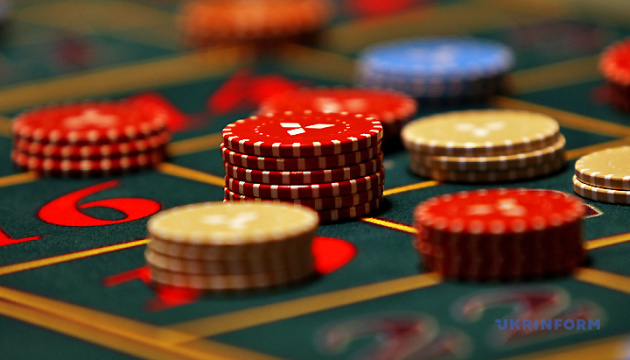
The environment in which gambling occurs significantly impacts player behavior. Casinos are often designed to be visually stimulating, with bright lights, engaging sounds, and an overall sense of excitement. This sensory overload can create an atmosphere that encourages prolonged play and increased betting. Players may lose track of time and money spent, further enhancing the gambling experience and contributing to addictive behaviors.
Online gambling platforms, such as Quartz Casino, mirror this environment through their user interfaces. The seamless integration of graphics, sounds, and interactive elements aims to keep players engaged. Additionally, the convenience of playing from home removes barriers to access, making it easier for individuals to gamble impulsively and frequently.
The Impact of Social Factors on Gambling
Social factors also play a critical role in influencing gambling behavior. The presence of peers can lead to social reinforcement, where individuals may gamble more when in groups due to shared excitement or competition. This social aspect can make gambling appear more appealing and can lead to increased wagering as players seek to impress or maintain their social status.
Conversely, social stigma surrounding gambling can deter individuals from seeking help for problematic behaviors. Many players may feel isolated, believing that they are alone in their struggles. This lack of support can exacerbate feelings of shame and guilt, leading to continued gambling as a means of escape from negative emotions.
Emotional Triggers and Gambling Behavior
Emotional states significantly influence gambling behavior, often leading individuals to gamble in response to feelings of stress, sadness, or anxiety. Many players may turn to gambling as a coping mechanism, seeking the temporary relief that comes with the adrenaline rush of a game. This emotional connection can create a reliance on gambling as a source of comfort, making it challenging to break free from the cycle.
The interplay between emotions and gambling also highlights the need for awareness and education. Understanding how emotions can drive gambling behavior can empower individuals to seek healthier coping strategies, reducing the likelihood of developing harmful gambling habits.
Quartz Casino: A Reflection of Player Psychology
Quartz Casino exemplifies how the psychology of gambling influences player behavior within its platform. With over 4,000 games available, the casino creates an engaging experience designed to attract and retain players. Promotions and bonuses are strategically implemented to tap into the psychological aspects of reward and excitement, encouraging players to return.
Additionally, the commitment to player security and responsible gambling highlights the importance of addressing psychological influences. By providing resources for players to manage their gambling habits, Quartz Casino recognizes the need for a balanced approach to gaming, helping ensure that the thrill of gambling remains enjoyable and safe.